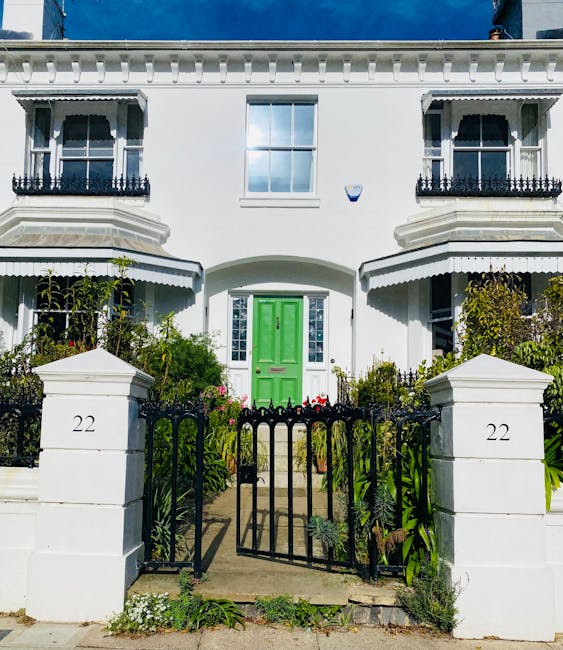
Romford Road front garden ideas for Forest Gate gardeners
If you live near Romford Road, you already know the front garden has a funny amount of influence. It is the bit people see first, the bit that frames the house, and often the bit that has to work hardest in a surprisingly small space. For Forest Gate gardeners, good front garden design is not just about looking neat on a sunny day in spring. It is about privacy, curb appeal, easy upkeep, practical access, and making the most of London conditions without turning the whole thing into a weekend project every week.
This guide on Romford Road front garden ideas for Forest Gate gardeners brings together the most useful options, from low-maintenance layouts to greener planting schemes, tidy boundaries, and smarter surfacing. You will also find a realistic step-by-step plan, common mistakes to avoid, and a practical checklist. Truth be told, the best front gardens are rarely the flashiest ones. They are the ones that still look good on a damp Tuesday in November.
Along the way, we will also point you to a few helpful service pages on our garden services overview, landscaping support, and ongoing garden maintenance if you want help turning ideas into something that lasts.
Table of Contents
- Why Romford Road front garden ideas for Forest Gate gardeners Matters
- How Romford Road front garden ideas for Forest Gate gardeners Works
- Key Benefits and Practical Advantages
- Who This Is For and When It Makes Sense
- Step-by-Step Guidance
- Expert Tips for Better Results
- Common Mistakes to Avoid
- Tools, Resources and Recommendations
- Law, Compliance, Standards, or Best Practice
- Options, Methods, or Comparison Table
- Case Study or Real-World Example
- Practical Checklist
- Conclusion
- Frequently Asked Questions
Why Romford Road front garden ideas for Forest Gate gardeners Matters
A front garden does more than decorate a house. On a busy route like Romford Road, it can soften traffic noise, filter dust, create a more private approach, and make a home feel calmer before you even step through the door. That matters in Forest Gate, where many homes sit close to the pavement and the front space is often modest, exposed, and a bit awkwardly shaped. Not impossible, though. Far from it.
Good front garden ideas also matter because they solve multiple problems at once. You might want fewer weeds, less muddy runoff, a tidier parking arrangement, a stronger boundary, or just something that does not look tired every time the weather turns. A clever design can do all that without becoming high-maintenance. And let's face it, nobody wants a front garden that behaves like a second job.
There is also a street-level benefit. A well-kept front garden lifts the whole frontage, which can make a house feel more welcoming and more settled. That does not mean every space has to be full of flowers. In many Romford Road properties, a restrained scheme with structure, clear edges, and one or two reliable planting layers works much better than a crowded display that quickly goes wild.
How Romford Road front garden ideas for Forest Gate gardeners Works
The best front garden design usually starts with three questions: what does the space need to do, how much time do you want to spend on it, and how exposed is it to weather, foot traffic, and visibility from the street? Once you answer those, the right ideas become much clearer.
For Forest Gate gardens, especially along or near Romford Road, the main design variables are usually:
- Size and shape - narrow, shallow, corner, or set-back layouts all behave differently.
- Sun and shade - front gardens can be blasted by afternoon sun or shaded by neighbouring buildings and trees.
- Boundary needs - some people want openness; others want a screen from the pavement.
- Surface use - planting only, path only, parking, or a combination.
- Maintenance level - weekly, monthly, or "please survive mostly on its own."
From there, the design process becomes a mix of practical choices and visual ones. A gravel or paved base can create clean lines. Raised beds can add depth where the garden is too flat. Evergreen shrubs provide year-round shape. A small tree can bring balance, but only if it will not crowd the space later. The trick is to keep the scheme coherent. One idea, done properly, beats five ideas fighting each other for attention.
In many cases, the front garden is improved not by adding more but by removing clutter, simplifying shapes, and choosing a few dependable elements. If the space has become overgrown, the first step may be a tidy reset through garden clearance before any design work begins.
Key Benefits and Practical Advantages
There are some very real gains to getting the front garden right. Here are the ones most homeowners notice first.
- Better kerb appeal - a neat, balanced frontage creates a stronger first impression.
- Lower maintenance - the right layout reduces the amount of cutting back, weeding, and sweeping.
- Improved privacy - hedges, shrubs, and layered planting can soften views from the street.
- Cleaner access - clear paths, sensible edging, and well-planned steps make daily use easier.
- Better drainage behaviour - permeable surfaces and plant beds can help reduce surface water issues.
- More usable space - even a small front area can feel purposeful if the layout is tidy and well zoned.
There is another benefit people sometimes overlook: confidence. A front garden that looks under control changes how the whole home feels. You walk up to the door with less of that nagging "I really must sort the front out" feeling. Small thing, maybe. But it matters.
For landlords, homeowners preparing to sell, or busy households with limited time, a practical scheme can be especially valuable. A front garden should support the property, not compete with your schedule.
Who This Is For and When It Makes Sense
This kind of front garden planning makes sense for a wide range of people in Forest Gate, but it is especially useful if you are in one of these situations:
- You have a narrow or awkward front space that never quite feels finished.
- You want a smarter entrance without committing to heavy landscaping.
- You are tired of weeds, patchy paving, or muddy patches near the path.
- You want the garden to look presentable with modest upkeep.
- You need more privacy from the street or passers-by.
- You are improving a home before letting, selling, or reoccupying it.
It also makes sense if the front garden currently feels like a compromise. Maybe the plants are healthy enough, but the layout is all over the place. Maybe the path is fine, but the borders are too busy. Maybe there is a lovely old shrub buried under a tangle of self-seeded growth. That happens more often than people admit.
If you are unsure where to start, a professional view can help you separate the keepers from the problem areas. A quick consultation through pricing and quotes can be a practical first step, especially if you want a sense of scale before committing.
Step-by-Step Guidance
Here is a sensible, ground-level way to approach a Romford Road front garden redesign. Nothing too fancy. Just the stuff that works.
- Walk the space at different times of day. Notice where light falls, where water sits after rain, and which areas feel cramped.
- Decide the main job of the garden. Is it mostly for planting, access, privacy, parking, or presentation?
- Measure the practical routes. Check the path from gate to door and make sure it is comfortable, clear, and wide enough.
- Remove clutter and poor performers. Old containers, collapsing edging, dead shrubs, and exhausted ground cover can quietly ruin the whole thing.
- Choose one clear style. Modern minimal, cottage-inspired, structured green, or mixed but controlled. Pick a direction and stick to it.
- Build layers, not chaos. Use a base of hard landscaping, then add structure, then planting, then detail.
- Think about upkeep now, not later. If you do not have time to prune often, avoid high-maintenance shapes that need constant attention.
- Finish with edging and maintenance access. Tidy edges make a garden look finished; easy access makes it stay that way.
That final point is underrated. A lot of front gardens look great on day one and then drift because nobody planned how they would actually be maintained. If you cannot easily reach the back of a border or cut around a feature, it will annoy you later. Almost guaranteed.
For larger overhauls, the right combination of landscape gardening and ongoing garden maintenance is usually the most dependable route.
Expert Tips for Better Results
After working on enough front gardens, a few patterns become obvious. The gardens that age well usually do a handful of things particularly well.
1. Keep the number of materials low
Two or three materials is usually enough. For example: one paving tone, one edging style, and one planting palette. Once you start mixing too many finishes, the space can feel restless. A bit like a room with four carpets and no one in charge.
2. Use evergreen structure sparingly
Evergreen planting gives the garden shape in winter, which is when many front gardens look their worst. But avoid stuffing the whole bed with dense evergreens. Better to use a few strong shapes and leave room around them.
3. Choose plants that suit the exposure
Romford Road front gardens can be bright, windy, shaded, or oddly dry depending on the house position and the surrounding buildings. What thrives in one front garden might sulk in the next one. A good planting plan respects the actual conditions, not just the mood board.
4. Make the entrance feel intentional
Even a tiny entry path can be improved with clean edges, a pair of pots, or a low hedge that frames the approach. You want the front door to feel like a destination, not something hiding at the end of a forgotten strip.
5. Plan for regular tidy-ups
Little habits matter: sweeping leaves, deadheading, checking the gate line, and keeping the path clear. If you prefer a hand-off approach, a scheduled service from lawn mowing support and hedge trimming can keep the frontage looking cared for without constant personal effort.
Common Mistakes to Avoid
Front gardens often go wrong in predictable ways, and most of them are fixable. Here are the big ones.
- Overplanting small spaces. It looks nice for six weeks, then becomes crowded and awkward.
- Using thirsty plants in exposed spots. They can struggle badly in summer.
- Ignoring drainage. A beautiful surface that turns slick or puddled after rain is not a win.
- Making maintenance too complicated. Fancy pruning shapes sound good until they need weekly attention.
- Leaving too many visual obstacles. Front gardens need breathing room, not a maze of pots and random features.
- Forgetting the boundary line. Fences, hedges, gates, and edges should all work together.
A very common mistake in urban front gardens is to focus on plants first and practical movement second. Reverse that order. Sort the route, the access, the levels, and the boundary. Then add the soft stuff. Much better.
If your garden already has congested planting or a tired boundary line, a combined approach with landscaping and selective tree lopping and removal may be the most realistic fix, especially where light has become limited.
Tools, Resources and Recommendations
You do not need a garage full of specialist kit to improve a front garden. A sensible toolkit is usually enough for day-to-day work.
- Basic hand tools for weeding, edging, and planting.
- Secateurs or lightweight cutters for smaller shrubs.
- A sturdy broom or blower for paths and hard surfaces.
- Mulch or decorative gravel where appropriate, to help suppress weeds and tidy the surface.
- Good-quality compost for replanting borders.
- Gloves, eye protection, and sensible footwear, especially if you are lifting old edging or clearing debris.
In practice, the best resource is often a realistic maintenance plan. Not glamorous, but useful. A front garden does not need constant reinvention; it needs consistency. If you want a broader service relationship rather than one-off fixes, the company's services overview is a sensible place to understand the available support.
For households where sustainability matters, it can also be worth thinking about reuse and responsible disposal. Reusing hard materials where possible, composting suitable green waste, and avoiding unnecessary replacement all help keep the project efficient. The recycling and sustainability page is useful if you want a cleaner, more environmentally aware approach.
Law, Compliance, Standards, or Best Practice
For most front garden work, the most important compliance points are practical rather than dramatic. In London, the main things to think about are access, safety, neighbour awareness, and making sure any work does not create avoidable hazards.
Good practice usually includes:
- Keeping paths and entrances safe and unobstructed.
- Making sure gates open and close properly.
- Managing overhanging growth so it does not block visibility or access.
- Handling waste responsibly and tidily.
- Using appropriate equipment and safe working methods where cutting, lifting, or digging is involved.
If trees are involved, caution matters. You do not want to damage roots, destabilise a boundary tree, or remove anything significant without understanding the risks. Likewise, if hard landscaping is part of the project, a competent installation is important because poor edging or badly laid surfaces tend to fail in all the annoying ways at once.
For customers who want reassurance on working practices, the pages on health and safety policy and insurance and safety are worth a look. They help set expectations around careful, responsible work. That is the sort of thing you should expect, really.
Options, Methods, or Comparison Table
Not every front garden needs the same treatment. Here is a simple comparison of common approaches.
| Approach | Best for | Maintenance level | Pros | Watch out for |
|---|---|---|---|---|
| Low planting with hard edging | Small or tidy urban front gardens | Low | Clean look, easy to keep neat, strong street appeal | Can feel plain if there is no softness at all |
| Layered planting with shrubs and perennials | Homes wanting a greener, softer feel | Medium | Seasonal interest, privacy, more natural character | Needs trimming and seasonal attention |
| Gravel or mixed hardscape scheme | Busy households and low-maintenance priorities | Low to medium | Drainage-friendly, tidy, simple structure | Must be well-edged or it can spread and look messy |
| Formal hedge and boundary layout | Homes wanting privacy and definition | Medium | Strong structure, classic frontage, year-round presence | Needs regular shaping to stay sharp |
| Mixed front garden with path, planting, and feature tree | Larger or more flexible spaces | Medium to high | Rich, balanced, attractive from the street | Can become overcrowded if not planned properly |
For many Forest Gate homes, the sweet spot is somewhere in the middle: enough structure to look tidy, enough planting to soften the frontage, and enough simplicity to stay manageable. That balance is what you are really aiming for.
Case Study or Real-World Example
Here is a realistic example based on a typical Romford Road-style frontage. A homeowner had a narrow front garden with patchy paving, an overgrown shrub bed, and a small gate that always felt cluttered. Nothing dramatic was wrong, but the space looked tired and cramped.
The solution was straightforward. The old bed was cleared back, the entrance path was defined more clearly, and a simpler planting scheme was chosen with evergreen structure at the back and lower seasonal planting near the front. The boundary hedge was reduced to a shape that framed the house rather than hiding it. A clean edge was installed to stop soil and gravel drifting onto the path. That small detail made a bigger difference than expected.
By the time everything had settled in, the garden looked calmer, brighter, and more intentional. It still felt like a living garden, not a showroom. Which is the point, really. You want it to feel cared for, not overworked.
The finish was supported with light-touch upkeep, including routine tidying and occasional hedge work. In cases like this, simple maintenance beats constant redesign every time. If you are facing a similar setup, a combination of hedge trimming and lawn mowing can keep the frontage from slipping back into chaos. It sounds dramatic, but gardens do have a way of doing that if left alone for too long.
Practical Checklist
Use this checklist before you start work on your front garden.
- Have you decided what the garden needs to do most: look good, stay private, stay tidy, or all three?
- Is the entrance path clear, comfortable, and easy to use?
- Have you identified any poor-performing plants or damaged sections that should be removed?
- Do the materials and colours work together rather than competing?
- Is the planting suited to the light, exposure, and maintenance level?
- Have you checked where water collects after rain?
- Will you be able to maintain the design without stress?
- Have you considered privacy, boundary shape, and street visibility?
- Do you need a professional team for clearance, landscaping, or routine upkeep?
- Have you allowed for seasonal pruning and general tidying later on?
If the answer to any of those is "not yet", that is fine. Better to pause and plan than rush into a layout that looks nice for a month and then becomes a nuisance. Been there, regretted that.
Conclusion
The strongest Romford Road front garden ideas for Forest Gate gardeners are not the most complicated ones. They are the ones that fit the property, suit the light, keep the entrance calm, and remain realistic to maintain. A good front garden should make daily life easier, not harder. It should welcome people in, frame the house, and still look respectable after a few wet weeks and a gusty Sunday.
If you focus on structure first, then planting, then upkeep, you will usually land on something that feels balanced and lasting. That approach works for small terraces, wider family homes, and everything in between. And if you want help shaping the space, the right support can make the whole process much less of a hassle.
Get a free quote today and see how much you can save.
Sometimes the smallest front garden changes make the biggest difference. A clearer path, a calmer border, a better line to the door - and suddenly the whole house feels more like home.
Frequently Asked Questions
What are the best Romford Road front garden ideas for Forest Gate gardeners on a budget?
The best budget-friendly ideas usually focus on simplification: clear the space, repair edging, choose a small number of dependable plants, and keep the design tidy rather than elaborate. A neat structure often gives more value than expensive features.
How can I make a small front garden look bigger?
Use fewer materials, keep sightlines open, and avoid crowding the space with oversized planting. A single clear path, simple borders, and restrained planting can make a small frontage feel calmer and more spacious.
What front garden style works best near a busy road?
Structured planting with a clear boundary usually works best. It creates a little visual buffer from the street without making the garden feel heavy or enclosed. Evergreen shrubs and smart edging are particularly useful.
How often should a front garden be maintained?
That depends on the design, but many front gardens benefit from light attention every couple of weeks and a fuller tidy-up each season. If you choose low-maintenance planting, the workload can be much lower.
Do I need landscaping work or just simple garden maintenance?
If the layout is basically fine but messy, maintenance may be enough. If the path, levels, edges, or planting structure are not working, some landscaping is usually needed. Often the answer is a mix of both.
Can hedges work in a small front garden?
Yes, but only if they are chosen and maintained carefully. Low or medium hedges can provide privacy and structure, but oversized or fast-growing ones can overwhelm a small space quickly.
What should I do if my front garden is overgrown?
Start with clearance and assessment rather than replanting straight away. Once the space is opened up, it becomes much easier to see what is worth keeping and what should go. A reset often makes the biggest difference.
Are gravel front gardens a good idea in Forest Gate?
They can be, especially where low maintenance and drainage are priorities. The key is good edging and a sensible layout. Without that, gravel can spread, look untidy, and become a nuisance.
How do I choose plants for a front garden in London conditions?
Match plants to the actual conditions of the site: sun, shade, wind, soil, and watering habits. Tough, reliable plants usually outperform fussy ones, especially in exposed front gardens.
Is tree work ever needed for a front garden redesign?
Sometimes, yes. If a tree blocks light, crowds the frontage, or affects the usability of the space, careful assessment is sensible. Tree work should always be approached cautiously and with proper care.
How do I keep the front garden looking good in winter?
Prioritise evergreen structure, tidy lines, and plants that hold their shape through the colder months. Winter is where a front garden proves whether it was designed well or just looked good in peak season.
Where can I find more help with front garden improvement?
You can explore about us to understand the team behind the work, or review contact options if you are ready to discuss your front garden ideas in more detail.