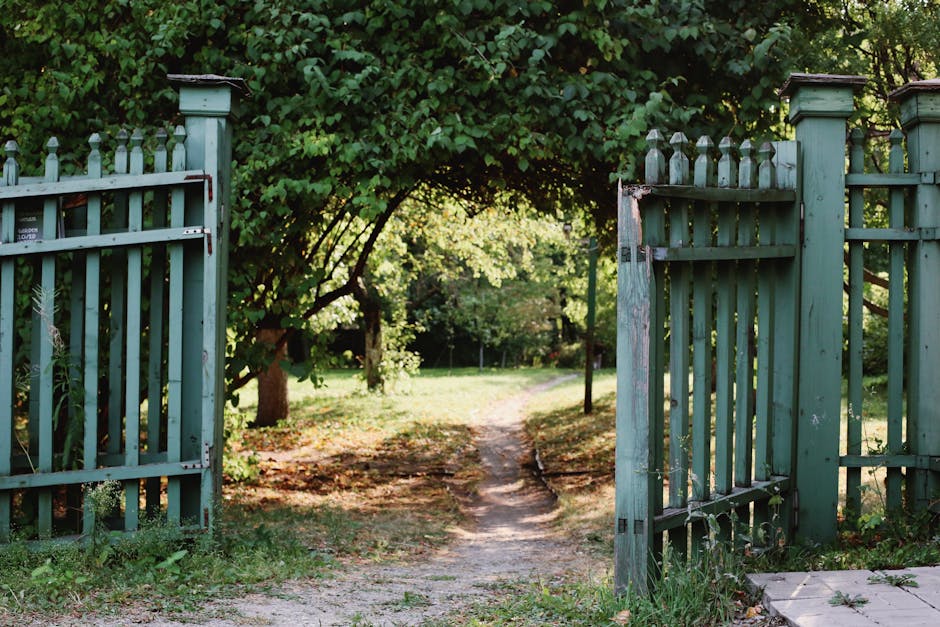
Garden Maintenance in Forest Gate

Our garden maintenance in Forest Gate focuses on keeping outdoor spaces tidy, manageable and healthy through regular, practical care. We work across the usual day-to-day tasks that help a garden stay presentable through the year, from mowing and edging to trimming, clearance and general upkeep. The aim is simple: maintain order, protect the condition of planting and surfaces, and leave each area ready to use with less effort for the homeowner or property manager.
Because every garden has different features, the service can be shaped around lawns, borders, paths, hedges, fence lines and small paved areas. Some spaces need routine visits to stop growth getting away; others need a one-off reset before maintenance starts. We can combine routine garden care with more focused work where it is needed, so the overall result is neat, balanced and suited to the space rather than overworked.
To arrange the right level of help, it is useful to think about what matters most in the garden: a clean finish, better access, stronger plant growth or a simpler ongoing schedule. Request a quotation when you are ready to compare the scope of work and set out what you would like maintained.
Regular lawn and border care
Lawn care is often the centre of a maintenance visit, and it usually sets the tone for the rest of the space. A cut that is too short can stress grass, while missed edges make the whole garden look untidy even when the central area is fine. We therefore treat mowing, edging and tidy finishing as connected tasks, with attention to the condition of the lawn rather than just the appearance of a single pass.
Border care matters for the same reason. Beds and edges can quickly lose definition if weeds, stray growth or fallen material are left too long. Our maintenance approach can include clearing these areas carefully, so plants that should remain visible still have room to grow. If you need broader outdoor help, our lawn mowing service covers the grass-cutting side of a maintenance plan, while the wider visit can keep the rest of the plot in step with it.
In many gardens, a regular pattern works better than occasional heavy cutting. Light, consistent upkeep helps reduce the amount of corrective work later and makes the space easier to look after between visits. For properties where presentation matters, this can be particularly useful around entrances, side access routes and shared outdoor areas, where a tidy finish has a noticeable effect without needing major change.
Hedges, shrubs and controlled growth

Managed growth is another important part of maintaining a garden properly. Hedges, shrubs and ornamental plants all need trimming at suitable intervals so they keep their shape without becoming too dominant. Careful cutting helps preserve privacy, light and access, while also reducing the chance of branches spreading into paths, drives or neighbouring boundaries. The work has to be neat, but it also has to respect the plant’s structure.
For taller or denser growth, our hedge trimming page covers a more specific part of this work, while maintenance visits can be planned to keep the rest of the garden in proportion. In some cases, shrubs and hedges are the features that give a property definition; in others, they are simply practical screening. Either way, trimming should support the garden layout rather than overwhelm it.
Growth control can also involve removing weak, broken or excess material that is making a plant untidy. A considered trim is usually better than a severe cut, particularly where the garden needs to recover its shape over time. We can factor in the type of planting, the season and the desired finish so the work is appropriate to what is already there.
Clearance before ongoing upkeep
Some gardens need a clear-out before routine maintenance can become effective. Overgrown beds, dropped branches, accumulated clippings and general outdoor debris can make even simple jobs awkward. A clearance visit creates a better starting point, especially where access is limited or surfaces are hidden by growth. Once the area is easier to move around, maintenance can be carried out more consistently and with better results.
If the garden contains a large amount of cut material or unwanted growth, our garden clearance service may be the most suitable place to begin. That does not replace ongoing care; instead, it helps restore a usable baseline. After the first tidy-up, the maintenance schedule can focus on keeping the improved condition rather than repeatedly tackling the same build-up.
It is also worth deciding which parts of the garden should remain open and which can be simplified. Some customers want to preserve planting but remove clutter; others want a cleaner layout with fewer areas to manage. A good maintenance plan respects that balance, dealing with what is unnecessary while keeping the garden’s useful features intact.
Maintenance for practical garden structures
Many gardens include more than planting and grass, so maintenance may need to support decks, borders, access points and small landscape features as well. These areas can gather dirt, loose growth and debris, which affects both appearance and use. A maintenance visit is most effective when it pays attention to the whole garden arrangement rather than only the most obvious green areas.
Where timber surfaces are part of the space, our decking-services page relates to the structural side of the garden, while maintenance work can help keep the surrounding area clear and presentable. Keeping the edges around these features tidy makes them easier to use and helps prevent the garden from looking unfinished. It also supports safer movement by reducing clutter near walking routes.
Practical upkeep is often about small details adding up. Neat surroundings, clear access and sensible control of growth can make a modest garden feel much easier to enjoy. That is why we treat structure, planting and visible finish as connected rather than separate problems, especially where the space has several different materials or levels.
Planning the work and the quotation
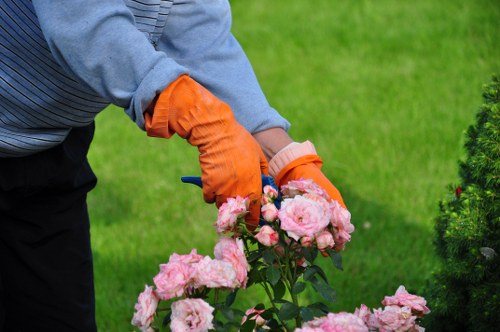
To prepare a quotation, it helps to know what the garden contains and how much of it you want maintained. A clear outline of the areas involved, the current condition and the type of finish you prefer makes it easier to match the work to your needs. Photos can be useful if access is awkward or growth is uneven, because they show how the space is laid out before any visit takes place.
Useful details usually include whether the job is a one-off tidy-up or a repeat maintenance visit, which areas need priority and whether there are particular features to avoid. If you are looking at wider improvements as well as maintenance, our landscape-gardening page covers more substantial garden work, while a maintenance quotation can stay focused on the tasks needed now. This keeps the scope clearer and helps prevent unnecessary extras.
Once the work is defined, the quotation can reflect the tasks rather than vague assumptions. That matters because a compact front garden, a mixed border layout and a larger overgrown rear space all call for different levels of time and attention. Clear information at the start usually means a more accurate plan and a better match between the service and the garden itself.
Working around different garden layouts
Not every outdoor space is arranged in the same way, so maintenance has to adapt to the layout. Narrow side return areas, enclosed courtyards, front gardens with visible presentation, and deeper rear plots all need slightly different handling. A maintenance visit can prioritise access first, then the main visual areas, then any secondary details that complete the finish. That order often makes the work more efficient and easier to follow.
Where the garden includes planted features, paths or changes in level, the job may involve a combination of cutting, clearing and careful tidying rather than one repeated task. Our landscaping page is more suitable for changes to the garden’s structure, but maintenance remains important once the layout is in place. It keeps the existing design from becoming obscured and helps the space continue to function as intended.
Working to the shape of the garden also means respecting the parts that need gentler treatment. Young planting, recently cut areas and decorative edges should not be treated in the same way as open grass or unmanaged growth. Good maintenance is not just fast work; it is work that leaves the garden balanced, tidy and suitable for future visits.
Garden maintenance in and around Forest Gate

Forest Gate is a district in the London Borough of Newham, in east London, and the name is closely associated with the historic route once linked to the old Forest Gate of Epping Forest. The area developed rapidly during the nineteenth century as rail transport improved local connections, and many of the streets around the district reflect that period of suburban growth. Terraced housing is common, along with later infill and mixed residential development, giving the area a layered built character rather than a single uniform style.
One of the best-known nearby open spaces is Wanstead Flats, part of the wider Epping Forest landscape, which provides a broad stretch of grassland close to the urban edge. The locality also has a strong relationship with the railway, especially the lines serving Forest Gate station, which helped shape commuting patterns and residential expansion. These transport links sit alongside everyday high streets, schools and places of worship, creating a busy local environment with a mix of movement, housing and community use. The architectural texture includes Victorian and Edwardian homes, post-war rebuilding and more recent housing projects, so the streetscape often combines older detailing with practical modern additions.
Cultural life in the district reflects that mix of history and renewal. Independent shops, local venues and community spaces contribute to a varied neighbourhood identity, while the wider borough provides parks, libraries and public facilities. The area’s position between central east London and the edge of Epping Forest has helped it retain a balance of density and open space. As a result, Forest Gate remains recognisable both for its transport convenience and for the everyday residential character of its streets.
Ongoing visits and seasonal upkeep
Many customers prefer maintenance to be carried out on a repeating basis rather than only when the garden becomes difficult to manage. That approach can keep growth at a steady level, reduce the amount of corrective work and make the outdoor area easier to enjoy through changing weather. Seasonal changes matter too, because the pace of growth, the amount of fallen material and the condition of lawns and borders all shift across the year.
Our garden-maintenance service page matches the broader nature of this work, while this homepage explains the practical mix that usually sits underneath it. In some seasons the focus is more on cutting and tidying; in others, it may lean towards clearing, shaping and preparing the space for stronger regrowth. A sensible schedule is one that suits the actual condition of the garden, not an arbitrary routine.
If you already know that the garden needs regular attention, it can help to decide how often you want the main tasks repeated and which items are non-negotiable. For example, one visit might centre on grass, borders and hedge fronts, while a later visit deals with heavier trimming or clearance. That kind of planning keeps the work practical and avoids turning maintenance into unnecessary disruption.
What we can include in a maintenance visit

Garden maintenance can cover a useful range of tasks when they are relevant to the space. The exact combination depends on the layout, condition and priority of the garden, but the work often includes cutting, trimming, tidying, light clearance and keeping the main surfaces presentable. A maintenance visit should have a clear purpose, so the tasks are chosen to support the garden rather than simply filling time.
- Grass cutting and edging where lawns need regular presentation
- Trimming hedges, shrubs and controlled growth at suitable points
- Removing garden debris, loose clippings and light accumulated waste
- Keeping access routes, borders and visible areas neat and manageable
Where growth is more substantial, it can help to combine maintenance with related services such as tree-lopping-and-removal for larger woody material, or to pair upkeep with clearance before moving into a steadier routine. If you are ready to compare the work needed and the most suitable format for the space, pricing and quotes is the natural next step. Request a quotation when you would like the job scoped clearly and set out in a practical way.